Why I Started The Offload Room
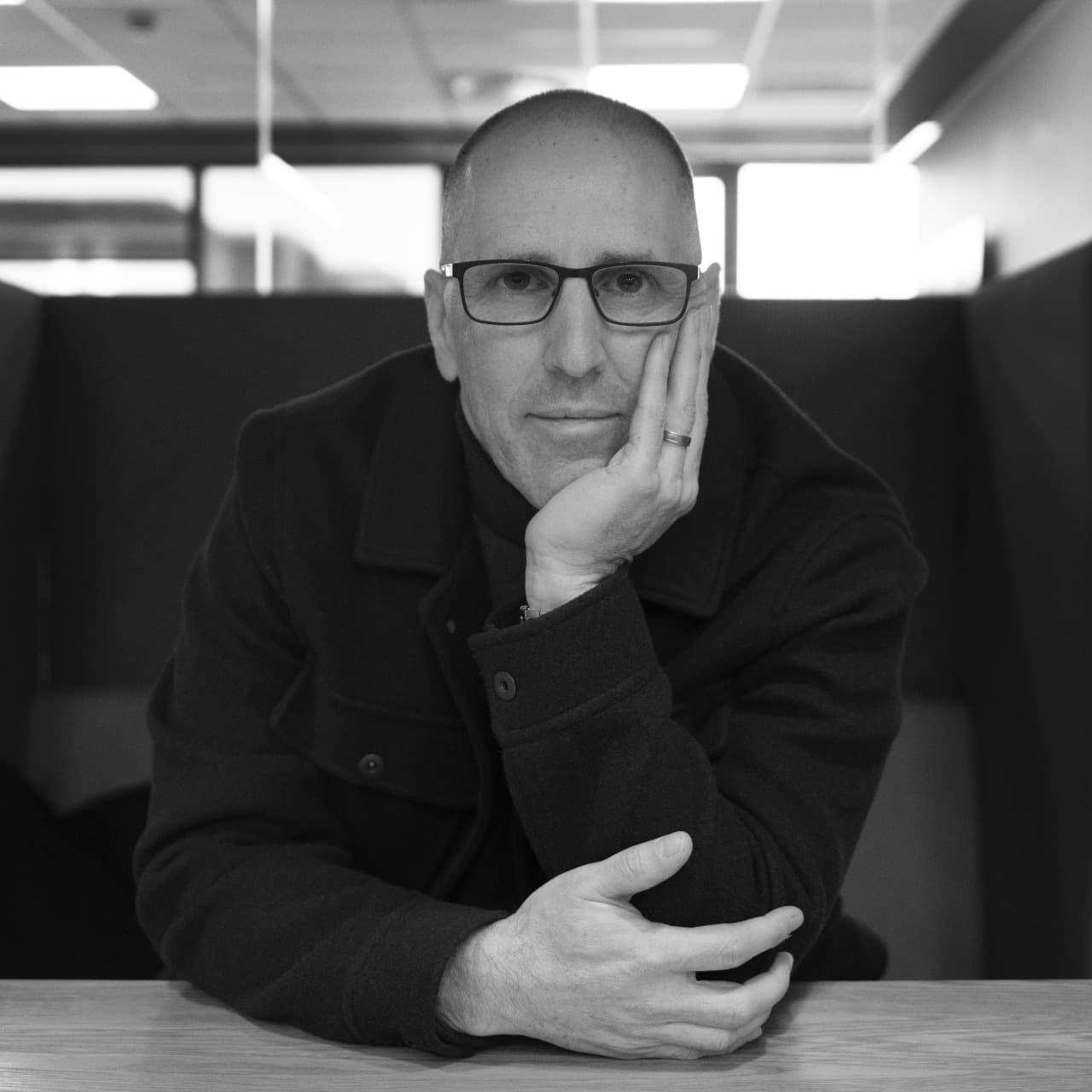
The Offload Room grew from my own experience and from listening to what women and men have shared with me. I have heard stories of responsibility, worry, loss and the effort of keeping life going when there is already too much to carry. I have also recognised parts of my own experience in what people describe.
What stayed with me was how much could remain unseen. A person could continue working, looking after a family and responding to everyone who needed them, while privately finding each day harder to manage. Being able to carry on did not necessarily mean that the load was manageable.
Sometimes people knew exactly what was weighing on them. Sometimes they struggled to find the words, or simply wanted privacy around what they were experiencing. I wanted to create an option that did not require them to begin by explaining themselves.
The Offload Room offers a structured protocol for working privately with one load. It guides you through observing what you are carrying, considering how you are carrying it, and deciding what you want to put down and what will carry you forward. You do not have to share your writing or explain your decisions.
What brings you here may involve work, a relationship, family responsibilities, uncertainty, loss or something you have carried for years. You do not need a particular job title, level of achievement or personal background to take part. The starting point is your own experience of what you are carrying.
The Offload Room is not therapy or coaching. It is a private, structured experience with a clear beginning and end. I created it to give people somewhere to pause and work with what has become too much to keep carrying in the same way.